 C. Stewart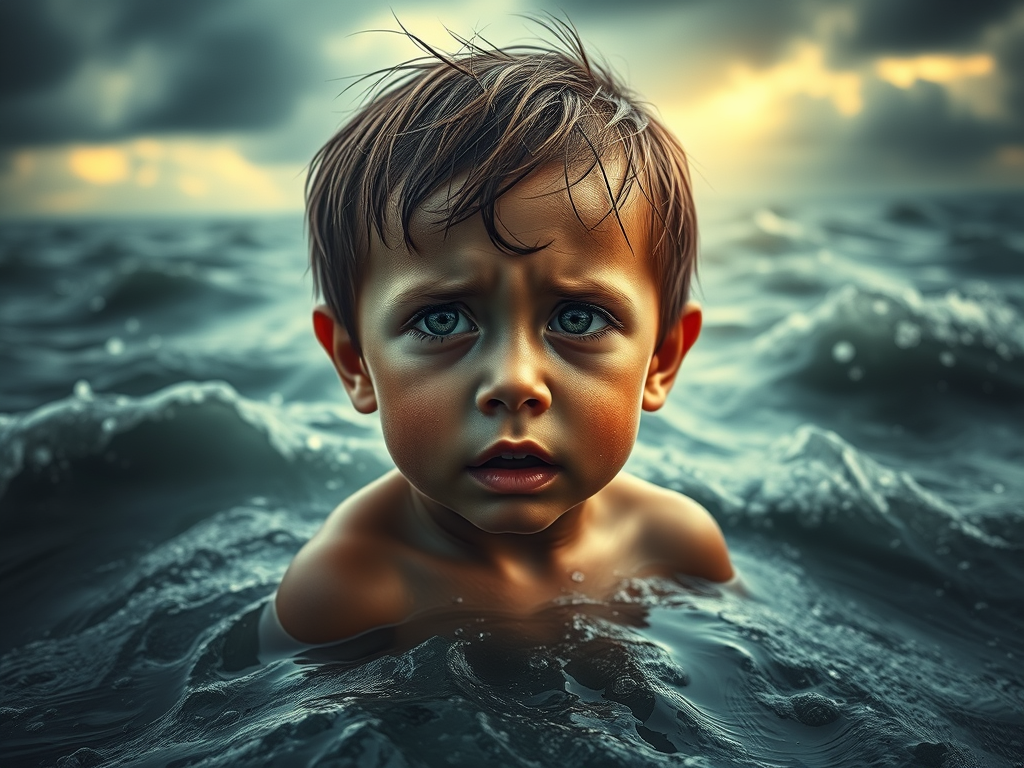
Spoilers ahead.
The Great Flood is a Netflix sci-fi disaster film that follows An-na, a scientist and single mother, and her young son as they try to survive a catastrophic flood that traps them inside a high-rise building. As the water rises, An-na faces collapsing structures, panicked survivors, and impossible choices while desperately trying to protect her child.
Midway through the movie, it’s revealed that the flood is not a natural disaster but part of a repeated AI simulation. An-na has been reliving this catastrophe thousands of times as part of an experiment designed to teach artificial intelligence human emotions—especially love, fear, and sacrifice. The film ends on an ambiguous note, questioning whether An-na is still human or has become something new, blending disaster survival with philosophical questions about AI and humanity.-AI Generated
A lot of viewers call the kid in The Great Flood annoying, but that reaction makes more sense when you consider the 21,499 iterations of the simulation. If a version of him has repeatedly experienced drowning, abandonment, and panic, his constant crying, impulsive behavior, and emotional outbursts aren’t bad writing — they’re a realistic response to extreme, repeated trauma. What reads as “annoying” is actually unresolved fear playing on a loop.
Unlike adult characters, the child doesn’t get the chance to grow or adapt because the simulation resets before any learning can stick. He’s trapped in the same emotional moment every time, which means the audience keeps seeing distress without relief or development. That repetition is frustrating to watch, but it’s intentionally so.
In that sense, the discomfort viewers feel is the point. The kid isn’t meant to be likable or brave — he’s a pressure point meant to show that the system is broken. What people call annoying is really exhaustion and suffering, and the film doesn’t soften that for the audience.
Below are some of the comments viewers posted after the kid got on thier nerves.