
 C. Stewart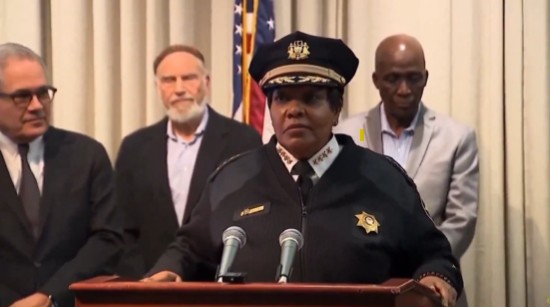
Philadelphia Sheriff Rochelle Bilal’s warning was brief but unmistakable. Federal immigration agents, she said, are not above the law. If they commit crimes in her city, they will be arrested.
The remark, delivered amid national outrage over the fatal shooting of Renee Good by an ICE agent in Minneapolis, quickly spread online. Within hours, it had turned Philadelphia into the latest flashpoint in the ongoing struggle over immigration enforcement and local authority.
Philadelphia has long defined itself as a sanctuary city. Local law enforcement does not assist Immigration and Customs Enforcement with civil immigration arrests, nor does it honor federal detainer requests. But in recent months, tensions have risen as ICE agents have been spotted near courthouses and public buildings, prompting protests from immigrant advocates who say the practice chills access to justice.
Legally, the sheriff’s authority is limited. Federal agents are protected when acting within the scope of their duties, and local officials cannot bar ICE from operating in a city. Arrests would only apply if an agent committed a crime outside lawful authority.
Bilal has not disputed that reality. Her office says deputies do not cooperate with ICE and are responsible only for courthouse security. But the bluntness of her language was deliberate. It framed the issue not as immigration policy, but as accountability.
District Attorney Larry Krasner echoed the message. Any law enforcement officer, he said, regardless of agency, would face prosecution if they broke the law in Philadelphia. Together, the statements signaled a unified front from city leadership at a time of rising public pressure.
Protests outside the Criminal Justice Center have grown more frequent. Activists have called on city officials to restrict ICE access to courthouse grounds, though only judges have the legal authority to do so. Still, they argue, the sheriff’s office sets the tone.
Bilal’s remarks reflect that shift. They were not a legal threat so much as a public declaration of values.
Whether the statement leads to policy changes or legal disputes remains uncertain. What is clear is that the debate over ICE’s role in American cities is no longer confined to courtrooms and city halls. It is unfolding in public, shaped as much by language as by law.
And in Philadelphia, the line has now been drawn.
C. Stewart